


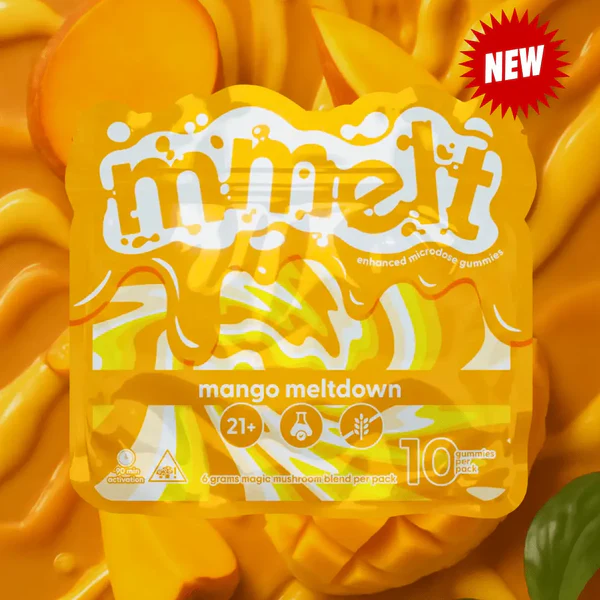
Microdose mushroom gummies are marketed in a variety of formats, often with fruit-inspired flavors and convenient packaging. However, the word “microdose” can create confusion because it does not identify a specific ingredient, establish a standardized amount, or guarantee a predictable effect. Understanding the product’s formulation is essential before making assumptions based on its name.
Consumers researching these products should pay close attention to ingredient disclosures, serving information, safety warnings, and applicable laws. These details are particularly important because products described as mushroom gummies may contain very different substances. A careful review of the label can help identify unanswered questions and distinguish factual product information from marketing language.
What Does Microdose Mean on a Product Label?
The term “microdose” generally refers to taking a small amount of a substance, but its meaning depends on the substance and context. In commercial product descriptions, the term alone does not establish how much of an active ingredient is present or what effects a person may experience.
A product advertised as a microdose mushroom gummy should therefore be evaluated by its actual ingredients and formulation. Consumers should not assume that the term indicates a standardized dose, a low-risk product, or a particular level of potency.
The distinction matters because mushroom-derived products can contain different ingredients. Some are marketed around conventional mushroom extracts, while others may involve psychoactive substances that raise different health and legal considerations.
Before purchasing a product, identify what it contains rather than relying on the wording used in its name.
Why Ingredient Transparency Matters
Ingredient transparency is one of the most important considerations when evaluating mushroom gummies. A clear product label should help consumers understand the formulation and identify substances that may be relevant to their circumstances.
Identify the Specific Ingredients
Look for the names of the mushroom species, extracts, and other active ingredients listed on the package. Broad descriptions such as “mushroom blend” may not provide enough information to understand the product fully.
If a product does not clearly identify its ingredients, seek clarification from the manufacturer before considering a purchase. Do not assume that two products are comparable because they use similar names or packaging.
Check the Complete Ingredient List
Gummies can contain more than mushroom-derived ingredients. Sweeteners, flavorings, coloring agents, acids, and other components may be included to create the finished product.
These ingredients can matter to people with allergies, dietary restrictions, or specific ingredient sensitivities. Reviewing the complete list is more reliable than judging a product by its flavor description or appearance.
Understand Serving Information
Product labels may provide serving directions and ingredient quantities, but the information needs to be clear enough to interpret. A term such as “microdose” should not replace specific ingredient disclosures or relevant warnings.
Avoid making assumptions about potency from the size of a gummy, the number of pieces in a package, or the product’s price. If important information is missing, the product description may not provide enough detail for an informed decision.
Microdose Claims and Marketing Language
Product marketing can influence how consumers interpret a formulation. Terms such as “gentle,” “balanced,” or “mild” may sound reassuring, but they do not independently establish the safety or effects of a product.
Likewise, a product’s flavor, appearance, or small physical size does not indicate its potency. The amount of a substance in a product cannot reliably be judged from its appearance.
Consumers should be cautious about claims that promise specific psychological or physical effects without credible evidence. Research on a particular substance or formulation does not automatically apply to a different commercial product.
A responsible approach involves checking what the manufacturer actually discloses and separating measurable product information from claims that remain uncertain.
How to Review a Mushroom Gummy Product Page
Online listings may provide additional information beyond the packaging. However, the usefulness of that information depends on how complete, specific, and verifiable it is.
Review the Product Description
Check whether the product page identifies the formulation, manufacturer, serving directions, storage requirements, and relevant warnings. The description should provide more than flavor names and promotional statements.
If the product’s intended use or ingredient composition remains unclear, ask the seller or manufacturer for further information.
Look for Relevant Testing Documentation
Some manufacturers provide laboratory reports or certificates of analysis. When available, examine whether the documentation relates to the particular product or batch and identifies what was tested.
A general claim that a product is “lab-tested” does not explain the scope of the testing or establish that every potential risk has been addressed.
Examine Packaging and Storage Instructions
Packaging should provide appropriate instructions and warnings. Keep products in their original containers and follow the stated storage requirements.
Because gummies can resemble ordinary sweets, secure storage is essential in homes with children or pets. Never leave unfamiliar mushroom products where they could be mistaken for conventional candy.
Comparing Gummies With Other Mushroom Product Formats
Mushroom-based products are sold in several formats, including gummies, chocolate products, and liquid shots. These categories may look similar in their marketing, but they should not be assumed to contain the same ingredients.
Mushroom Gummies
Gummies are chewable products available in a range of shapes, flavors, and package sizes. Their familiar format can make them convenient to carry, but appearance does not establish composition or safety.
The mushroom gummies collection provides a place to review product descriptions and available options. Check the individual listing for ingredient details and applicable warnings rather than relying on the collection name.
Mushroom Chocolates
Chocolate products may be sold as bars, squares, or other portioned formats. Their formulation and serving information can differ from those of gummies.
The mushroom chocolate collection is a separate category to review when comparing product formats. Evaluate each product on its own disclosed ingredients and labeling.
Mushroom Shots
Liquid shots represent another product format. They may have different ingredients, packaging, and serving directions from chewable products.
The mushroom shots collection can be reviewed separately to understand how these products are presented.
A different format does not automatically make a product safer or more suitable. The actual ingredients and relevant evidence remain central to evaluating any mushroom-based product.
Safety Considerations Before Purchasing
Safety questions deserve particular attention when a product’s name refers to microdosing or potentially psychoactive substances.
Consumers should first establish which ingredients are present and whether those substances are regulated in their location. Product availability online does not guarantee that a product is lawful in every state or that it meets applicable requirements.
Products containing psychoactive substances can carry unpredictable risks, including unwanted psychological or physical effects. The risks may depend on the substance, formulation, individual circumstances, and other factors. A marketing term such as “microdose” should not be treated as a guarantee of low risk.
Do not rely on online testimonials or a product’s candy-like appearance as evidence of safety. Avoid using products with unidentified ingredients or unclear labeling.
People taking medication, managing a health condition, or uncertain about possible interactions should consult a qualified healthcare professional before using an unfamiliar mushroom product. If a product contains a controlled substance, verify the applicable legal requirements and do not assume that ordinary supplement guidance applies.
Questions to Ask Before Buying
Before considering a mushroom gummy product, use the following checklist to identify missing information:
- What does it contain? Look for clearly identified mushroom species, extracts, and other active ingredients.
- Is the formulation explained? Check whether the label provides meaningful quantities and understandable serving information.
- Are warnings available? Review applicable precautions, ingredient sensitivities, and storage instructions.
- Is testing information verifiable? Examine any available documentation and confirm what it covers.
- Are the claims supported? Treat promises of specific effects cautiously unless reliable evidence supports them.
- Is the product lawful locally? Check the rules applicable to the actual ingredients and your location.
- Can the manufacturer answer questions? Seek clarification if the product page leaves important details unresolved.
These checks are useful for online purchases and in-person shopping alike. They also help consumers recognize when a product does not provide enough information for a confident decision.
Final Thoughts
Microdose mushroom gummies require careful evaluation because the word “microdose” does not define a standardized formulation or establish a product’s safety. The actual ingredients, quantities, labeling, and applicable legal requirements matter far more than a product name or flavor description.
Consumers should review the complete ingredient list, examine available testing documentation, and remain skeptical of unsupported claims. Extra caution is warranted when the formulation may include psychoactive or regulated substances.
A well-informed purchasing decision starts with transparency. If a manufacturer cannot clearly explain what a product contains or provide relevant safety information, it is sensible to pause rather than make assumptions based on marketing language.
